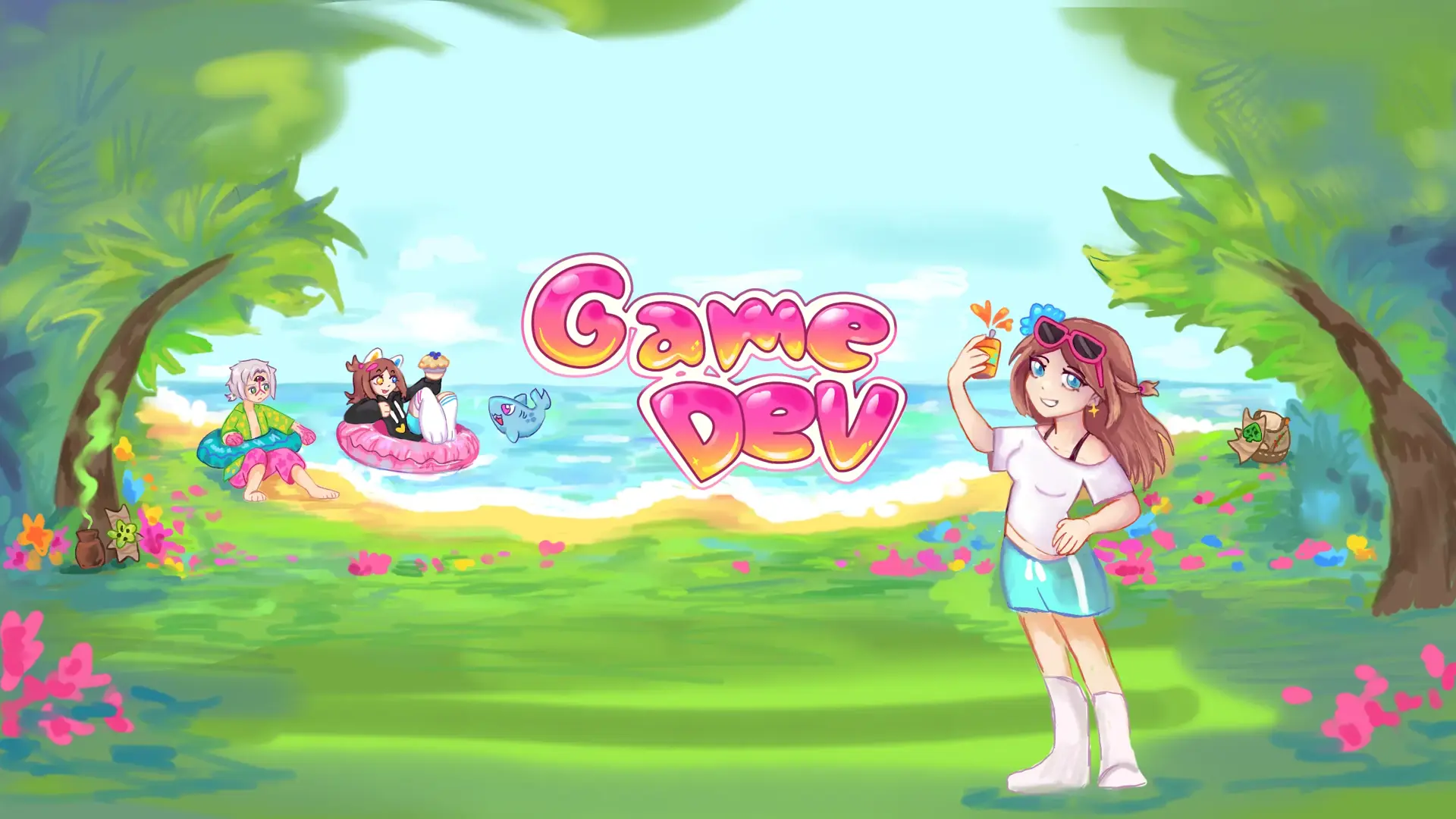

Game Character and Story Design: How to Make Players Care
By Leila · Creative Director · Game Designer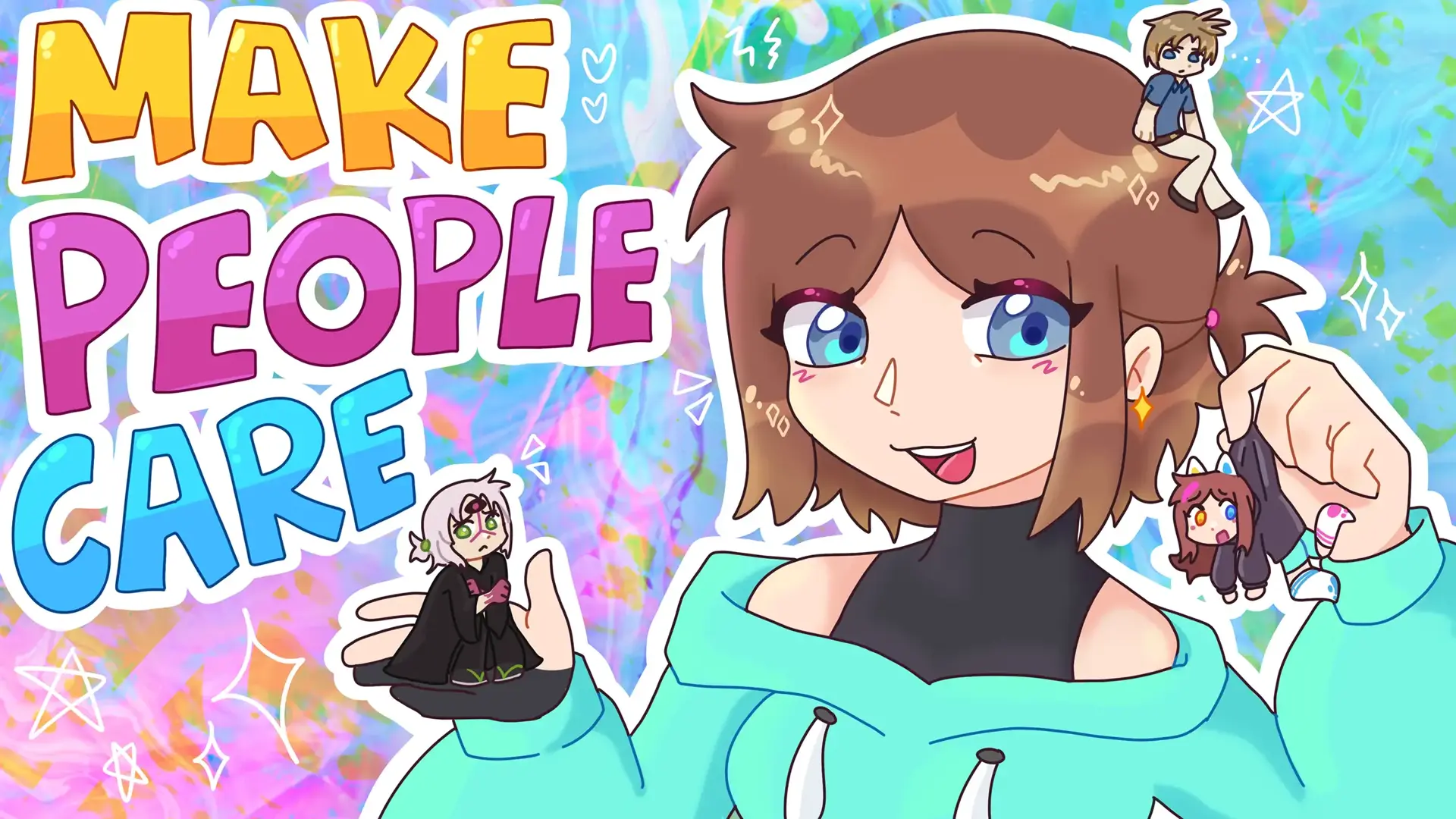
Heya! I’m Leila.
Mechanics matter. If a game doesn’t feel good in the hands, people stop playing, and no amount of story will save it.
But a flat story loses people just as reliably. They finish the tutorial, they shrug, and the game sits in a library forever. Here’s how to avoid that.
A design gets attention, a spark keeps it
I’ve written about what makes a character design recognizable. What I skipped there is the part that actually makes someone care: personality, and what the character is carrying.
A cool design gets three seconds. What they feel, and what they’ve survived, gets the rest of the game.
Happy characters are great. Leiloo is one, and her excitement about the world is the whole reason she works. But even a happy character needs a spark, a second side that complicates the first one. Without it you have a mascot, not a person.
Ren is my example of the other direction. Most of the time he’s awkward and quiet, and only his sister Yuna knows how kind he actually is. They have nobody but each other in a world that keeps trying to take everything.
Look at him for a few seconds and you can tell something happened. There’s a power inside him that’s slowly killing him, and he fights it anyway. It possessed him, and now he can barely control his own hands. A recipe for disaster, which is exactly what makes him worth following.
I can’t say much more yet, because Ren belongs to a bigger project. The point stands without the spoilers: the spark is what catches people. Design the face second.
Play the games you want to make
You cannot design good games without playing good games. That sounds obvious and almost nobody does it deliberately.
Look at Final Fantasy VII and Alan Wake 2. Completely different from each other, both extraordinary, both doing something with story that a design document can’t teach you. The more of that you take in, the stranger and more specific your own work gets, because you’re drawing from more than one well.
Trying to design a game without playing them is like baking a pie without ever having seen a pie. Look at it first. Taste it. Take it apart and figure out what’s in it. Then go make your own recipe.
The way I do it: when a game gets a reaction out of me, I stop and ask what exactly caused it. A line of dialogue, a camera angle, a silence where music should be. That answer is reusable. “It was good” isn’t. Some of those answers end up in my concept art long before they end up in a game.
Don’t get lost in the sauce
Here’s the trap on the other side. A deep character and a world with a hundred worked-out corners are exactly the kind of work that feels productive forever.
You can spend months designing someone and completely forget their purpose: being in a video game. Lore that never becomes a level is a hobby, not development.
So do the reality check regularly. Ask what this character does in the player’s hands. Ask which mechanic this piece of backstory changes. If the answer is nothing, it can wait, and the honest move is to write it down and go back to the build.
Balance the narrative against the game you’re actually shipping, and the two hold each other up. The story gives the mechanics a reason, the mechanics give the story a place to happen.
The short version
Give the character a spark, not just a silhouette. Play the things that move you and take them apart. Keep checking that the world you’re building still fits inside a game.
That’s how players end up caring, and caring is what makes them finish.
The palette side of the same problem is in how to create a unique game aesthetic.
Related Posts
- 1 Docker for Solo Game Developers: Stop Being Tech Support for Your Own PCGame Development · Unity, Blender and a test server on one machine will break each other eventually. Containers keep every project's setup in its own box, so your computer stays clean.
- 2 How to Create a Unique Game Aesthetic: Color Theory and Art DirectionGame Development · Photorealism is overrated. A three-color signature, applied everywhere, makes your game recognizable at a glance, and it costs nothing but discipline.
- 3 How to Launch an Indie Game in 2026: The Three PillarsGame Development · Launching your first game does not start with code or expensive software. It starts with a character worth building a world around, and a broken prototype.
- 4 2D vs 3D for Your First Game: Which One Should a Beginner ChooseGame Development · 2D lets you learn movement, collisions and animation without a whole 3D workflow on top. Here is when to start there, when 3D is worth it, and how to skip the art.
Random Posts
- 1 2D vs 3D for Your First Game: Which One Should a Beginner ChooseGame Development · 2D lets you learn movement, collisions and animation without a whole 3D workflow on top. Here is when to start there, when 3D is worth it, and how to skip the art.
- 2 How to Add an Icon for a Game in UnityCookbook · The shortest path to setting a game icon in Unity — File → Build Settings → Player Settings — plus fixes for the two mini-problems you'll run into.
- 3 How to Color in ProcreateCookbook · The tools I reach for when picking and applying color in Procreate — eyedropper, ColorDrop, and a tour of the Disc, Classic, Value, and Palettes modes.
- 4 How to Create a Unique Game Aesthetic: Color Theory and Art DirectionGame Development · Photorealism is overrated. A three-color signature, applied everywhere, makes your game recognizable at a glance, and it costs nothing but discipline.